
The Rise of the Digital Celebrity Movement
In today’s hyperconnected world, celebrity culture is no longer confined to red carpets and movie premieres. With billions of people connected through social media, the modern celebrity has become a political voice, a brand ambassador, and a digital influencer capable of shifting global narratives. Platforms like Instagram, X (formerly Twitter), and TikTok have transformed the entertainment industry into a global force of activism and advocacy.
- The Rise of the Digital Celebrity Movement
- Celebrity Activism and Political Impact
- The Role of Technology in Amplifying Celebrity Power
- Global Activism and the Power of Social Movements
- The Intersection of Fame and Politics
- Technology and the Evolution of Global Communication
- The New Age of Entertainment and Activism
- The Future of Celebrity Influence in a Tech-Driven World
- FAQs
- Conclusion
Celebrities now shape public opinion more effectively than traditional media outlets. Whether promoting humanitarian aid, addressing climate change, or raising awareness about injustice, they command attention from millions who view them as trusted sources of information and inspiration. This transformation has blurred the boundaries between fame, activism, and political influence, giving rise to a new era of digital power.
Celebrity Activism and Political Impact
From Hollywood to Bollywood, from K-pop stars to international athletes, celebrities are increasingly becoming agents of political change. When figures like Taylor Swift encourage voter registration or Leonardo DiCaprio speaks on climate issues, they reach audiences traditional politicians struggle to engage. Their words carry weight because they are rooted in personal conviction rather than party loyalty.
This dynamic has reshaped political campaigns. Governments and advocacy organizations now actively collaborate with public figures to amplify awareness campaigns and mobilize younger demographics. In democratic societies, celebrity influence helps strengthen civic participation. However, in more restrictive nations, it can provoke backlash when artists challenge authority or speak against state policies.
The political dimension of celebrity activism also extends to international relations. When global icons speak on conflicts, human rights, or environmental crises, their messages often cross borders, influencing foreign policy discussions and sparking global debates.
The Role of Technology in Amplifying Celebrity Power
Technology serves as the backbone of modern influence. Social media algorithms prioritize engagement, allowing popular figures to reach vast audiences instantly. Artificial Intelligence tools are now being used to analyze fan sentiment, tailor content, and expand reach beyond geographical limitations.
Celebrities are also harnessing emerging technologies like the metaverse, virtual reality, and NFTs to connect with audiences in new and immersive ways. Virtual concerts, AI-generated art collaborations, and interactive fan experiences have become part of the entertainment ecosystem. These advancements not only revolutionize entertainment but also open new avenues for global communication and activism.
Tech platforms, in turn, benefit from celebrity engagement. Every viral campaign, collaboration, or digital protest drives traffic, data, and ad revenue. This mutual dependency between technology and celebrity culture is shaping a new digital economy—one powered by attention and influence.
Global Activism and the Power of Social Movements
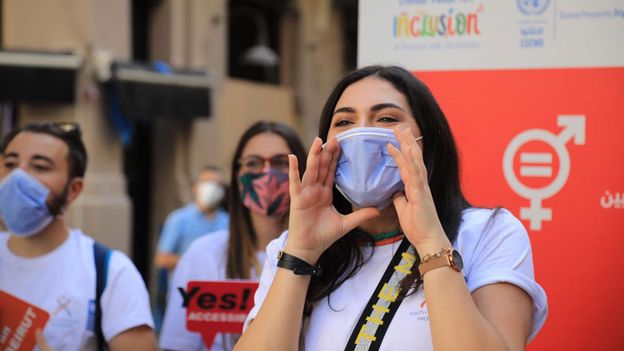
Social media has democratized activism. Movements such as #MeToo, #BlackLivesMatter, and #ClimateStrike demonstrate how digital platforms can unite millions around shared causes. Celebrities act as amplifiers of these movements, using their platforms to highlight injustices and mobilize public support.
The effectiveness of celebrity-backed activism lies in its immediacy. Within minutes, a message can spread worldwide, reaching people across cultures and languages. This has shifted the balance of power from traditional media outlets to individuals with digital followings. A single post from a global icon can influence international news coverage and even affect diplomatic relations.
However, this power comes with responsibility. The speed of digital communication can lead to misinformation or oversimplified narratives. Therefore, many activists and organizations now work closely with experts to ensure that celebrity-led movements remain accurate, impactful, and sustainable.
The Intersection of Fame and Politics
The merging of fame and politics is not a new phenomenon, but technology has accelerated it to unprecedented levels. From Ronald Reagan to Volodymyr Zelensky, figures who once entertained audiences have transitioned into leadership roles, demonstrating the power of public image in governance.
In the age of digital media, a celebrity’s influence extends beyond their industry. They become symbols of hope, rebellion, or progress, depending on their stance and authenticity. Politicians, recognizing this, often align themselves with stars to tap into their popularity. This fusion has changed how elections are fought and how public trust is built.
Yet, critics argue that celebrity involvement in politics can oversimplify complex issues. When global figures speak on conflicts or policies, their influence can sway opinions without the depth of diplomatic context. Despite these concerns, their ability to inspire awareness and empathy remains undeniable.
Technology and the Evolution of Global Communication
Advancements in technology have turned the world into an interconnected community. Social platforms, AI-driven analytics, and real-time news updates have eliminated borders in communication. A protest in one country can instantly become a global discussion topic.
This connectivity empowers individuals and movements but also exposes them to manipulation and surveillance. Digital platforms face the challenge of balancing free expression with regulation, especially as misinformation spreads rapidly. Celebrities and activists play a critical role in countering false narratives by leveraging their credibility and reach to promote verified information.
The New Age of Entertainment and Activism
Entertainment is no longer just about escapism—it’s a platform for awareness and change. Films, music, and digital art often carry strong political and social messages. Artists use storytelling to address issues like mental health, gender equality, and environmental sustainability.
Streaming platforms and social networks have also allowed for more diverse voices to emerge. Independent creators can now gain influence without traditional gatekeepers, fostering a new wave of digital activism. This inclusivity ensures that global conversations reflect a wider range of experiences and perspectives.
The Future of Celebrity Influence in a Tech-Driven World
As technology continues to evolve, the influence of celebrities will only grow more sophisticated. AI-generated avatars, virtual meetups, and holographic performances will allow stars to connect with fans in futuristic ways. At the same time, digital footprints will hold them accountable for every statement and action.
The challenge for future celebrities will be maintaining authenticity in a world dominated by algorithms and curated realities. True influence will belong not to those who chase trends but to those who use their platforms to foster understanding, compassion, and progress.
FAQs
How has technology changed celebrity influence?
Technology allows celebrities to communicate instantly with global audiences, using social media, AI, and digital platforms to expand their impact and activism.
Do celebrities influence political decisions?
Yes, celebrity activism often shapes public opinion, which can pressure governments and international organizations to address specific issues.
Can celebrity-led activism be sustainable?
Sustainability depends on long-term commitment and collaboration with credible organizations to ensure that awareness translates into action.
What is the role of social media in global movements?
Social media serves as a digital megaphone for activism, allowing individuals and groups to organize, share information, and mobilize support globally.
Will AI change how celebrities interact with fans?
Absolutely. AI will enable more personalized fan engagement through virtual assistants, chatbots, and immersive digital experiences.
Conclusion
Celebrity culture and digital activism have become integral to modern society, bridging the gap between entertainment, politics, and technology. The power once reserved for political leaders now lies partly in the hands of digital influencers who command global audiences through their voices and values.
As technology advances, this relationship between fame and influence will continue to evolve. The future will not just belong to those who entertain, but to those who enlighten—using their digital platforms to advocate for justice, truth, and global unity in a world increasingly shaped by connection and conscience.