

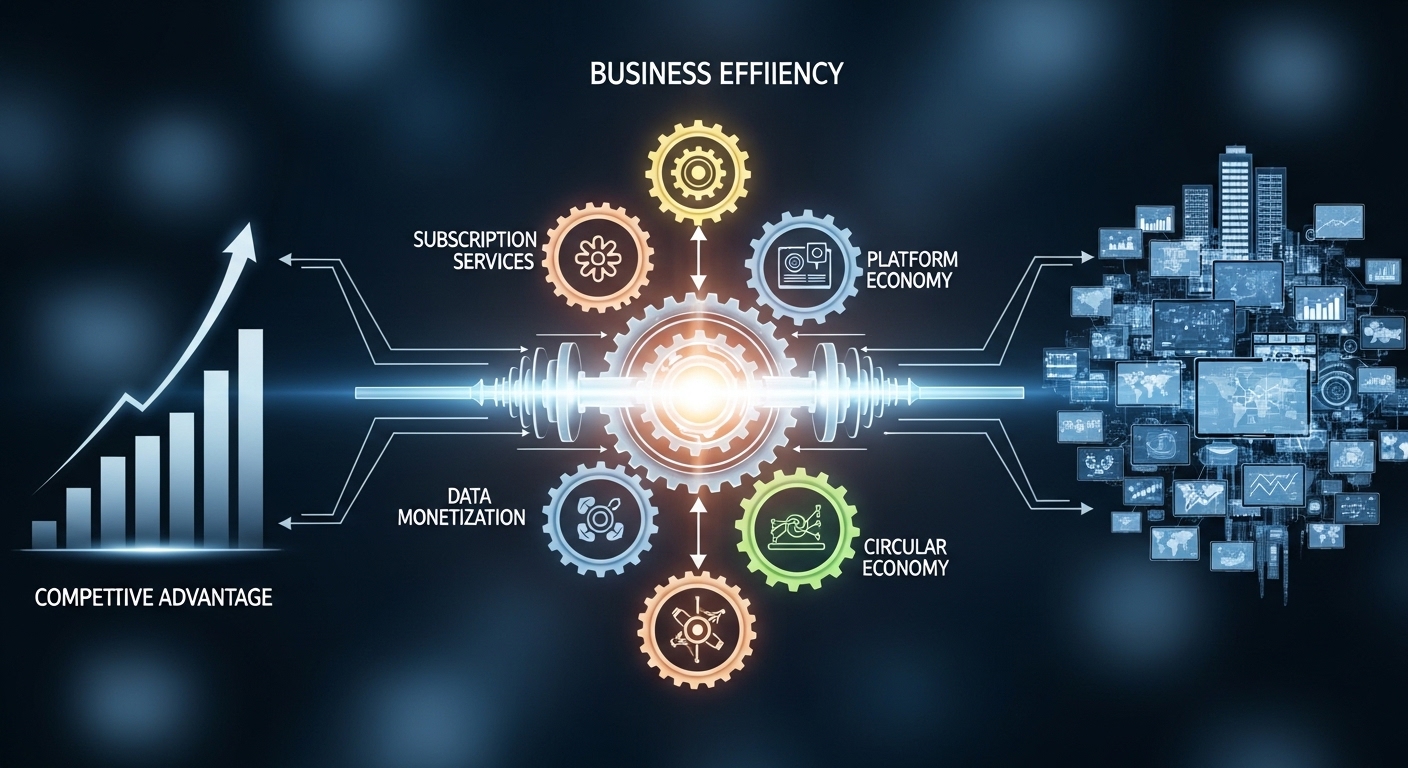
Smart business models are transforming global industries by integrating technology, innovation, and customer focused strategies to achieve higher efficiency and stronger competitive advantage. Organizations today rely on data driven systems, automation, and flexible operational frameworks to adapt quickly to market changes. These models help companies reduce costs, optimize performance, and deliver long term sustainable growth in highly competitive environments worldwide.
Digital Transformation Strategies
Cloud Adoption Enhances Efficiency
Cloud adoption allows businesses to scale operations quickly while reducing infrastructure costs and improving performance. It enables real time collaboration, secure data storage, and flexible access to resources. Organizations can innovate faster and respond to market demands more effectively through cloud enabled digital transformation strategies.
Process Automation Streamlines Workflows
Process automation reduces manual effort by integrating digital tools that handle repetitive tasks efficiently. It improves accuracy, speeds up operations, and lowers operational costs. Businesses gain more productivity and consistency, allowing teams to focus on strategic goals and innovation within competitive markets globally today now.
Data Integration Systems Improve Insights
Data integration systems combine information from multiple sources to provide unified insights for better decision making. They help organizations identify trends, improve forecasting, and enhance operational efficiency. Businesses can make faster, data driven decisions that strengthen competitive advantage in dynamic markets across industries globally today.
AI Powered Decision Making
AI powered decision making uses machine learning algorithms to analyze large datasets and generate actionable insights. It helps businesses predict customer behavior, optimize operations, and reduce risks. Organizations improve efficiency and gain competitive advantage by leveraging intelligent systems for strategic planning across markets globally today.
Digital Ecosystem Connectivity
Digital ecosystem connectivity enables seamless interaction between platforms, services, and stakeholders within a unified business environment. It improves collaboration, enhances data sharing, and supports innovation. Businesses can create integrated systems that increase efficiency and strengthen competitive positioning in rapidly evolving markets across industries globally today.
Subscription Based Revenue Models
Recurring Revenue Stability
Subscription based models provide recurring revenue streams that ensure financial stability and predictable cash flow for businesses. They improve customer retention, reduce acquisition costs, and support long term growth. Companies benefit from consistent income while delivering continuous value to customers through services and updates today.
Customer Loyalty Programs
Customer loyalty programs enhance subscription models by rewarding repeat customers and encouraging long term engagement. They increase customer satisfaction, reduce churn rates, and strengthen brand relationships. Businesses can build stronger communities and improve revenue predictability through structured loyalty incentives driving growth across markets globally today.
Pricing Strategy Optimization
Pricing strategy optimization in subscription models helps businesses balance affordability and profitability. Dynamic pricing and tiered plans attract diverse customer segments. Companies can maximize revenue while maintaining value perception, ensuring long term competitiveness in rapidly changing digital markets across industries globally today.
Scalable Business Growth
Subscription models enable scalable business growth by allowing companies to expand services without proportional cost increases. Automation, cloud infrastructure, and digital delivery support rapid expansion. Businesses can enter new markets efficiently while maintaining operational stability and consistent service quality across markets globally today now efficiently.
Customer Retention Strategies
Customer retention strategies focus on maintaining long term relationships with subscribers by delivering consistent value and personalized experiences. Businesses use engagement analytics, targeted communication, and service improvements to reduce churn and strengthen loyalty, ensuring sustainable recurring revenue in competitive digital markets across industries globally today.
Data Driven Decision Making
Real Time Analytics
Real time analytics enables businesses to process data instantly and make informed decisions quickly. It improves responsiveness, enhances operational efficiency, and identifies emerging trends. Organizations gain a competitive advantage by acting on accurate insights derived from continuous data monitoring systems across markets globally today now.
Predictive Modeling Techniques
Predictive modeling techniques use historical data and statistical algorithms to forecast future outcomes. Businesses apply these models to anticipate customer behavior, optimize resources, and reduce risks. It enhances strategic planning and improves decision making accuracy in competitive digital environments across industries globally today now efficiently.
Business Intelligence Systems
Business intelligence systems collect, analyze, and visualize data to support strategic decision making. They help organizations identify trends, improve performance, and optimize operations. Businesses use dashboards and reporting tools to gain actionable insights and maintain competitive advantage in data driven markets across industries globally today.
Data Visualization Tools
Data visualization tools transform complex datasets into graphical formats that are easier to understand and interpret. They enable faster insights, improve communication, and support better decision making. Businesses use charts and dashboards to monitor performance and identify opportunities effectively across markets globally today now efficiently.
KPI Tracking Systems
KPI tracking systems monitor key performance indicators to evaluate business success and operational efficiency. They help organizations measure progress, identify weaknesses, and improve decision making. Businesses rely on dashboards and analytics tools to ensure strategic goals are consistently achieved across industries globally today now efficiently.
Automation and AI Integration
Workflow Automation Benefits
Workflow automation reduces manual tasks by using software systems to execute repetitive processes efficiently. It improves productivity, reduces errors, and enhances operational speed. Businesses can allocate resources more effectively while ensuring consistent performance and improved service delivery across operations across markets globally today now efficiently.
Robotic Process Automation
Robotic process automation uses software bots to perform repetitive tasks that traditionally require human effort. It increases efficiency, reduces operational costs, and minimizes errors. Organizations can streamline workflows and focus human resources on higher value strategic activities across industries globally today now efficiently at scale.
Machine Learning Applications
Machine learning applications enable systems to learn from data and improve performance without explicit programming. Businesses use these technologies for forecasting, personalization, and automation. It enhances decision making, reduces operational costs, and improves efficiency in competitive digital environments across markets globally today now efficiently scalably.
AI Chatbots in Business
AI chatbots enhance customer service by providing instant responses, resolving queries, and improving user engagement. They operate 24/7, reduce workload on human agents, and increase customer satisfaction. Businesses benefit from cost savings and improved communication efficiency across digital platforms across markets globally today now efficiently.
Intelligent Automation Systems
Intelligent automation systems combine artificial intelligence and robotic process automation to streamline complex business processes. They improve efficiency, reduce costs, and enhance decision making. Organizations achieve higher productivity and scalability while maintaining operational accuracy and consistency across enterprise environments across markets globally today now efficiently.
Customer Centric Business Design
Personalized Customer Experience
Personalized customer experience strategies focus on tailoring products and services to individual preferences. Businesses use data analytics and behavioral insights to enhance satisfaction, improve engagement, and build loyalty. This approach increases conversions and strengthens long term relationships in competitive markets across industries globally today now.
Customer Feedback Systems
Customer feedback systems collect opinions, reviews, and suggestions from users to improve products and services. They help businesses identify weaknesses, enhance customer satisfaction, and drive continuous improvement. Organizations use surveys and analytics tools to refine strategies and maintain competitive advantage across markets globally today now.
Omnichannel Engagement
Omnichannel engagement integrates multiple communication channels to provide seamless customer interactions across platforms. It improves user experience, increases accessibility, and strengthens brand loyalty. Businesses ensure consistent messaging and service quality across digital and physical touchpoints to enhance satisfaction across markets globally today now efficiently scalably.
Customer Retention Analytics
Customer retention analytics track user behavior to identify patterns that influence long term loyalty. Businesses use this data to reduce churn, improve satisfaction, and optimize engagement strategies. It strengthens decision making and enhances profitability in competitive digital markets across industries globally today now efficiently scalably.
User Journey Optimization
User journey optimization focuses on improving every stage of the customer experience from awareness to purchase and retention. Businesses analyze behavior data to enhance usability, increase conversions, and strengthen engagement. This leads to better satisfaction and long term business growth across markets globally today now.
Platform Ecosystem Models
Multi Sided Platforms
Multi sided platforms connect different user groups such as buyers and sellers within a single digital ecosystem. They facilitate interactions, increase network effects, and create value for all participants. Businesses benefit from scalability, higher engagement, and increased revenue opportunities across markets globally today now efficiently.
API Driven Integration
API driven integration enables different software systems to communicate and share data seamlessly. It improves efficiency, reduces development time, and enhances system interoperability. Businesses can build scalable digital ecosystems that support innovation and improve overall operational performance across industries globally today now efficiently scalably growth.
Platform Monetization Models
Platform monetization models generate revenue through subscriptions, advertisements, commissions, or transaction fees within digital ecosystems. They enable businesses to diversify income streams, maximize profitability, and scale operations. Companies leverage user engagement and network effects to increase financial performance across markets globally today now efficiently.
Network Effect Growth
Network effect growth occurs when a platform becomes more valuable as more users join and participate. It increases engagement, strengthens competitiveness, and drives exponential business expansion. Companies benefit from organic growth, reduced marketing costs, and enhanced ecosystem value across industries globally today now efficiently scalably.
Ecosystem Partnership Strategies
Ecosystem partnership strategies involve collaboration between multiple organizations to create integrated value propositions within digital platforms. They enhance innovation, expand market reach, and improve resource utilization. Businesses leverage partnerships to strengthen competitiveness and accelerate growth in dynamic markets across industries globally today now efficiently scalably.
Lean and Agile Operations
Continuous Improvement Methods
Continuous improvement methods focus on ongoing optimization of business processes to enhance efficiency and reduce waste. Organizations implement feedback loops, performance analysis, and iterative changes. This approach strengthens adaptability, increases productivity, and ensures sustainable growth in competitive markets across industries globally today now efficiently scalably.
Agile Project Management
Agile project management enables teams to deliver projects incrementally with flexibility and rapid adaptation to change. It improves collaboration, reduces risks, and enhances product quality. Businesses achieve faster time to market and better alignment with customer needs through iterative development cycles across markets globally today.
Cost Optimization Strategies
Cost optimization strategies help businesses reduce operational expenses while maintaining quality and efficiency. Organizations analyze spending patterns, eliminate inefficiencies, and adopt lean practices. This improves profitability, enhances resource allocation, and supports long term sustainability in competitive markets across industries globally today now efficiently growth.
Rapid Deployment Systems
Rapid deployment systems allow businesses to launch products and services quickly using automated infrastructure and cloud based tools. They reduce time to market, improve responsiveness, and increase competitiveness. Organizations benefit from faster innovation cycles and improved operational agility across markets globally today now efficiently scalably.
Performance Efficiency Tracking
Performance efficiency tracking measures how effectively business operations achieve desired outcomes using key metrics and analytics. It helps organizations identify inefficiencies, improve processes, and enhance productivity. Businesses rely on real time dashboards to maintain operational excellence and competitive advantage across industries globally today now efficiently.
FAQs
What are smart business models?
Smart business models are strategies that use technology and data to improve efficiency and competitiveness.
How do smart business models improve efficiency?
They streamline operations through automation, analytics, and optimized processes.
Why are subscription models important in business?
They provide stable recurring revenue and improve customer retention.
What role does AI play in modern business models?
AI helps automate decisions, predict trends, and improve operational accuracy.
How do platform models create value?
They connect users, increase network effects, and generate scalable revenue.
Conclusion
Smart business models transform how organizations operate by combining technology, data, and customer focused strategies. They improve efficiency, reduce costs, and enhance competitive advantage in rapidly changing markets. By adopting digital tools, automation, and scalable systems, businesses achieve sustainable growth, stronger performance, and long term success across industries in modern global economies driven innovation and digital transformation globally now