
The Global Rise of Artificial Intelligence
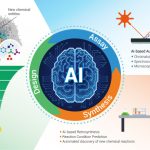
Artificial intelligence has become the cornerstone of modern progress. In 2025, AI no longer lives in laboratories—it powers homes, offices, and industries.
- The Global Rise of Artificial Intelligence
- Governments Enter the AI Battlefield
- Celebrities Turned Tech Entrepreneurs
- Social Media as the New Political Arena
- Misinformation and Digital Trust Crisis
- Mobile Technology: The Next Frontier
- Data Privacy and Digital Ethics
- The Economic Impact of Automation
- Cultural Shifts in the Digital Era
- FAQs
- Conclusion
From virtual assistants that predict user needs to self-learning algorithms controlling city infrastructure, AI is now the digital nervous system of the planet.
Companies like Apple, Google, and Samsung compete to create smarter devices that learn from behavior, preferences, and even emotions.
AI’s evolution is no longer just about convenience—it’s about dominance. The one who controls AI controls data, communication, and influence. The race among global tech giants has turned into a modern-day space race, where innovation equals geopolitical power.
Governments Enter the AI Battlefield
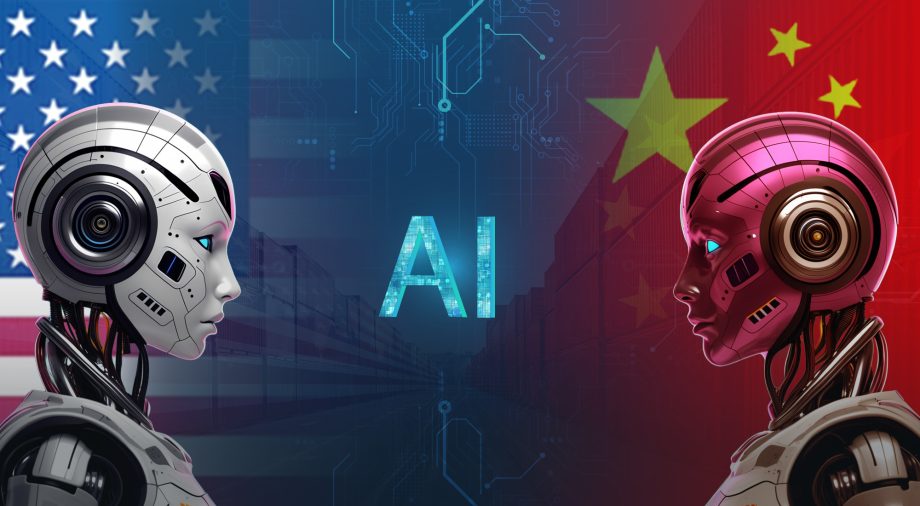
Countries are now competing to establish what experts call AI sovereignty. The United States, China, and the European Union lead this race, but with very different philosophies. The U.S. promotes open innovation, emphasizing creativity and market freedom. China, however, uses AI for extensive monitoring, integrating it into social credit systems and national security. Meanwhile, Europe focuses on ethics and privacy, tightening regulations through frameworks similar to GDPR.
This political clash reveals a deeper struggle—technology has become a symbol of national identity. In this digital Cold War, algorithms are weapons, and data is ammunition.
Celebrities Turned Tech Entrepreneurs
Fame and technology have merged like never before. Celebrities are no longer content with brand endorsements—they are now tech investors and innovators. Elon Musk leads with AI-driven enterprises, while global icons like Taylor Swift and Dwayne “The Rock” Johnson are launching digital media startups and virtual branding projects.
Their influence extends beyond entertainment. When a celebrity invests in a tech company, the product instantly gains credibility and exposure to millions of fans. A single Instagram post can alter market perception, spark new trends, or collapse a competitor overnight.
Social Media as the New Political Arena
Social platforms have become global stages for political debates and movements. X (formerly Twitter), TikTok, and Instagram are no longer entertainment tools—they’re instruments of influence. Politicians use these spaces to connect with younger generations, while influencers shape public opinion faster than traditional media ever could.
This merging of entertainment and politics has blurred the line between public policy and pop culture. A celebrity discussing climate change or privacy rights can trigger worldwide discussions and even force governments to take action.
Misinformation and Digital Trust Crisis
With the rise of deepfakes and AI-generated content, distinguishing truth from falsehood has become increasingly complex. Entire political campaigns can be manipulated through synthetic videos or AI-created narratives. This has forced platforms and governments to invest heavily in content verification technologies.
However, the real challenge isn’t technical—it’s psychological. In a world overloaded with digital noise, people are losing trust in media and information. The future of democracy may depend on how societies rebuild that trust.
Mobile Technology: The Next Frontier
Mobile technology remains the foundation of digital progress. 5G networks are fully operational, and early 6G prototypes promise lightning-fast communication and holographic experiences. Smartphones are evolving into AI-powered assistants capable of managing finances, healthcare, and education.
Edge computing and cloud integration are driving smarter devices that function independently of human input. But this also raises a critical question: when machines start thinking for us, do we lose control or gain freedom?
Data Privacy and Digital Ethics
Every click, purchase, and swipe leaves a digital footprint. Companies harvest data to predict behavior and customize advertising, but users are beginning to fight back. Data privacy is now a political issue, not just a technical one. Governments are drafting new regulations to protect consumer rights, but enforcement remains weak in many regions.
The future will depend on creating a balance between personalization and protection—between innovation and intrusion.
The Economic Impact of Automation
Automation is transforming industries. AI-driven tools are replacing manual jobs but also creating new opportunities in robotics, data science, and cybersecurity. Economists predict a new digital middle class built around tech-driven skills. Yet, for many, the fear of redundancy looms large.
Businesses that adapt to automation will thrive, while those resisting technological change may disappear entirely. The economic revolution of AI is unstoppable, but its social effects remain unpredictable.
Cultural Shifts in the Digital Era
Technology has changed how humanity experiences art, music, and storytelling. Virtual concerts, AI-generated movies, and metaverse experiences redefine entertainment. Celebrities now live both in the physical and virtual worlds, connecting directly with fans across borders.
Culture, once shaped by geography, is now globalized by technology. What trends in New York reaches Tokyo in seconds, making the digital world a unified cultural hub.
FAQs
How are celebrities shaping the tech industry?
Celebrities leverage their influence to launch tech startups, promote innovations, and shape market trends through social media and branding.
What is AI sovereignty and why does it matter?
AI sovereignty means countries controlling their own AI ecosystems to safeguard privacy, data, and economic independence.
Is 6G really coming soon?
Yes, researchers are already testing 6G, expected to deliver faster speeds, zero-latency communication, and advanced virtual reality capabilities.
How does misinformation affect global politics?
Misinformation can manipulate elections, create social unrest, and undermine democratic institutions through AI-driven propaganda.
What industries are most affected by automation?
Manufacturing, transportation, finance, and healthcare are being transformed by robotics, AI analytics, and digital systems.
Conclusion
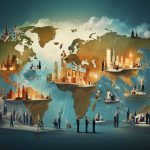
The digital revolution of 2025 has blurred every line—between nations, celebrities, politics, and technology. Each domain now feeds off the other, creating a complex global network of influence. The power no longer lies solely with governments or corporations; it lies with those who can harness data, innovation, and communication to shape human behavior.
As the world stands on the edge of this transformation, understanding how these forces connect is vital. QuickMobileTech.com continues to spotlight these evolving dynamics—where artificial intelligence meets human ambition, and where the next global chapter of progress is already being written.